The history of locks, and why the locksmith still matters today
From handcrafted wooden locks to modern high-security systems, understanding how locks have developed helps explain why experience and the role of the locksmith still matter when securing your home. At Stephen Fretwell Locksmith, modern security is built on traditional principles: understanding how locks work, how they fail, and how to fix them properly.
Locks have protected people for thousands of years… but the role of the locksmith has evolved just as much.
The origins of locks
The earliest known locks date back over 4,000 years. Ancient civilisations such as the Egyptians and Babylonians developed simple locking systems to protect valuables like food, tools, and wealth.
- Early locks were made entirely from wood
- Based on the pin-tumbler principle
- Designed for function, not convenience
One of the oldest examples was discovered in an ancient Egyptian palace near Nineveh — proof that the fundamentals of lock security have remained consistent for millennia.
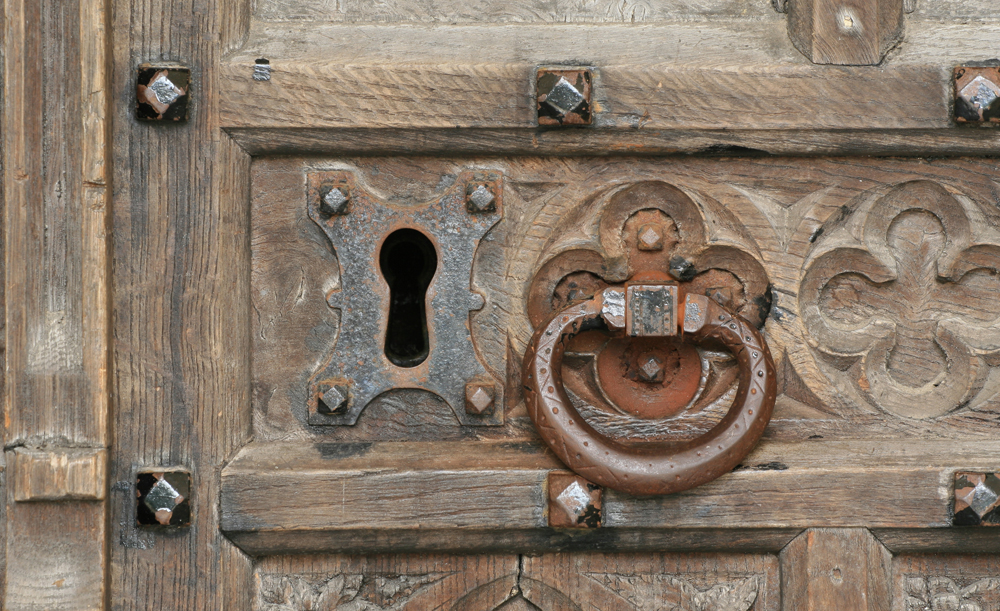
The introduction of metal & skilled craftsmanship
By around 900 AD, locks began to be made from metal. At this time:
- Locks were handcrafted by skilled locksmiths
- Ownership was limited to merchants and nobility
- Locks were status symbols as well as security devices
In ancient Rome, small metal keys were often worn as rings — both for convenience and to signal wealth.
Locksmiths were not just installers; they were designers and engineers.
Innovation driven by crime
As lock picking became more common in the 18th century, locksmiths were forced to innovate. Security improved through:
- More complex tumblers
- Anti-tamper springs
- Early cylinder-based designs
Some locks were considered so secure that public challenges were issued, offering rewards to anyone who could defeat them — often taking days or weeks. This pattern still exists today: security only improves when locksmiths understand how locks are attacked.
The birth of modern lock designs
The 19th century brought rapid innovation that still shapes modern locks.
- Pin-tumbler locks refined and standardised
- Flat, serrated keys improved usability
- Combination locks removed the need for keys
Many modern domestic locks are still based on these principles — just refined with better materials and tighter tolerances. Old locks fail differently to modern ones, and modern locks fail in new ways.
Mass production & the role of the locksmith today
As lock demand increased in the late 1800s and early 1900s, manufacturing shifted to mass production. This changed the locksmith’s role from fabrication to:
- Diagnosing faults
- Fitting locks correctly
- Repairing failed mechanisms
- Advising on real-world security
While locks became more accessible, quality varied dramatically, making locksmith knowledge even more important.
Modern locks & why experience matters more than ever
Today’s locks combine traditional mechanical principles with modern technology. A professional locksmith must understand:
- Traditional lever and cylinder locks
- High-security anti-snap systems
- Multipoint locking mechanisms
- Digital and keyless entry systems

Stephen Fretwell explains the role of the modern locksmith
The problem? Modern locks often look secure, but fail due to:
- Poor fitting
- Door misalignment
- Cheap internal components
This is why experience matters. Locksmithing today isn’t about brute force or guesswork.
It’s about:
- Understanding how locks fail
- Knowing which parts can be repaired
- Knowing when replacement is actually needed
- Preventing repeat failures
This is the difference between:
- A lock that works today
- And a lock that keeps working for years
What this means for homeowners
Locks may look simple, but the systems behind them aren’t.
- Poor advice leads to unnecessary replacements
- Poor fitting leads to early failure
- Cheap locks give false reassurance
Good locksmithing protects:
- Your home
- Your belongings
- Your peace of mind
That hasn’t changed in 4,000 years.
Need help with your locks today?
Whether you’re dealing with repairs, upgrades, or security concerns, knowledge still counts. Locks have evolved, but good locksmithing hasn’t.


 07990 573857

 RATED LOCAL LOCKSMITH
 WhatsApp
 07990 573857